
Design for any business has such a big impact on your business than what you know. Elements like layout and content will matter but there are subconscious ways that your audience can be affected by your design. Your goal is to create a design that will pique your audience’s interest and keep them interested so they can see what you have to offer.
As a person sees your business and interacts with you, their subconscious tells them that they are actually evaluating everything from purpose to design. Having a clean and modern design will attract a much larger audience.
Your content is also an element of your design that affects people/your audience. What you let people read will be a reflection of your business and this can affect their emotions. The content you have should provide people the chance to experience emotions, relatability, understanding, etc. Make them feel what you have to offer. Use simple words and an informal tone that is engaging and appealing.
Simple elements like alignment, use of white space, and such can really affect the subconscious of your audience. If things are properly aligned, it looks cleaner and more professional, and overall, visually appealing. Designing businesses isn’t that hard if you have the right tools and team but of course, there are certain things and factors that are needed to be considered when creating your design. The more thought you put into your design, taking into consideration the subconscious of your audience, the more likely that it will be a success, and the greater the chances they are to get involved with your business.
One great way to help with the design of any business is by using the famous golden ratio in design.
The Golden Ratio in Design
The Golden Ratio. You might think that this will be a math lesson but trust us, it just combines a bit of it and a bit of nature, and then application from the designers. So, what does the golden ratio mean for design? How do you use it?
This has been used throughout history to create design elements that have an ideal visual appeal. The golden ratio is the perfect combination of balance and harmony. It’s a tool that’s good to have up your sleeve as a designer.
What Is the Golden Ratio?
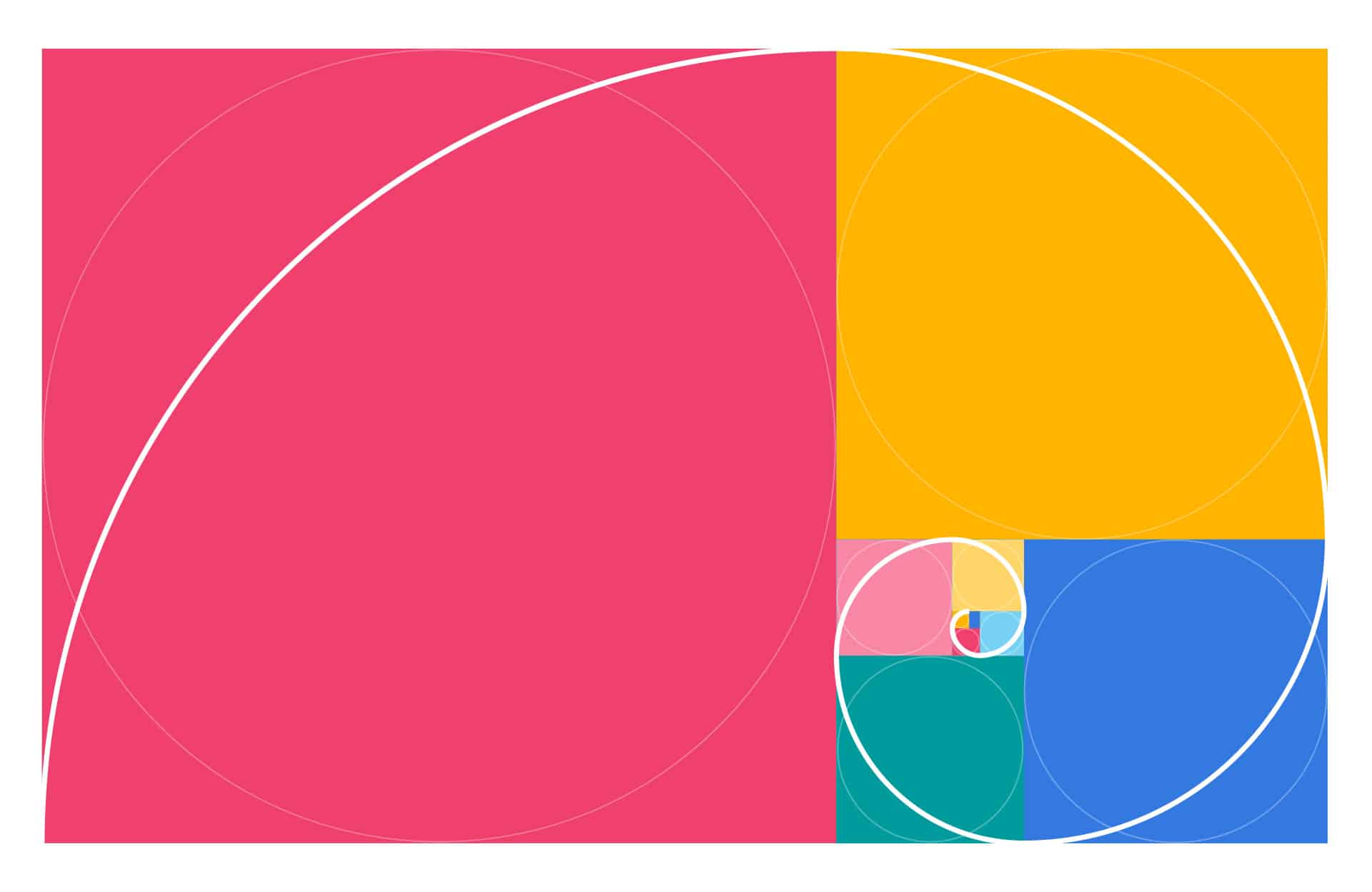
Simply put, the golden ratio is a shape with a proportion of 1 to 1.618. The correct Mathematical calculation of the ratio can be achieved by using this formula for Phi: A/B = (A+B)/A = 1.618033987 = Φ
The application is often less precise than the measurements. Most designers will just round numbers off when they create a mathematical golden ratio for grids that are easier to work with. This concept is often represented by using spirals, circles, or triangles. This Golden Ration is not “just a design thing” by the way. You can find this concept applied in nature, art, and even architecture.
- Nature – Nautilus shell
- Art – Mona Lisa
- Architecture – Eiffel Tower
How Do You Use It?
When it comes to applying the golden ratio, there are different schools of thought:
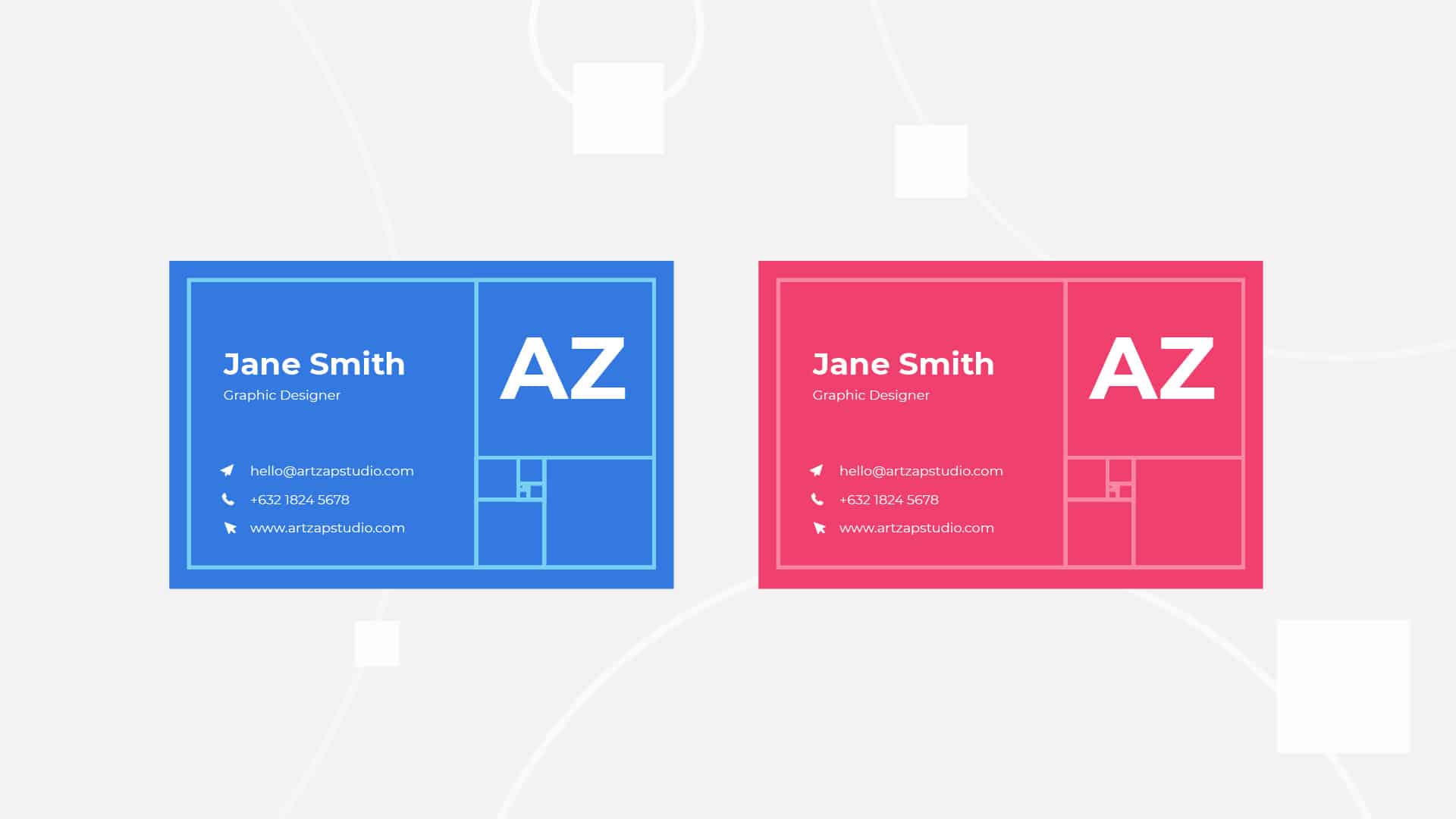
- Set up the design using a grid based on the ratio to create harmony
- Do nothing because it applies whether you do it intentionally or not
Your eye is probably trained to create and lean toward designs that include the Golden Ratio theory.
Why Does the Golden Ratio Matter in Design?
The golden ration matters because it helps designers to establish the right emotional and visual tone with users. The theory exists even if you are aware that you are applying it or not.
The golden ration cues you into focal areas of your design where your users will most likely look at in your design. It helps create balance and scale even when it isn’t intentional.
In conclusion, your key to understanding and using the Golden Ratio is that it’s there whether you know it or not.
There are a lot of examples and tips sprawled across the cyberspace board. You can get tips and tricks from those articles as well.
We provide different design tips that you can find in some of our blogs. Read them to find out more! Contact us at inquire@artzapstudio.com or call us at 622-2755. Artzap Studio offers creative services for any marketing or advertising need. You may send us a message on our contact us page.